Your Genes Are Not Your Destiny: The Shocking Truth About Epigenetics in 2026
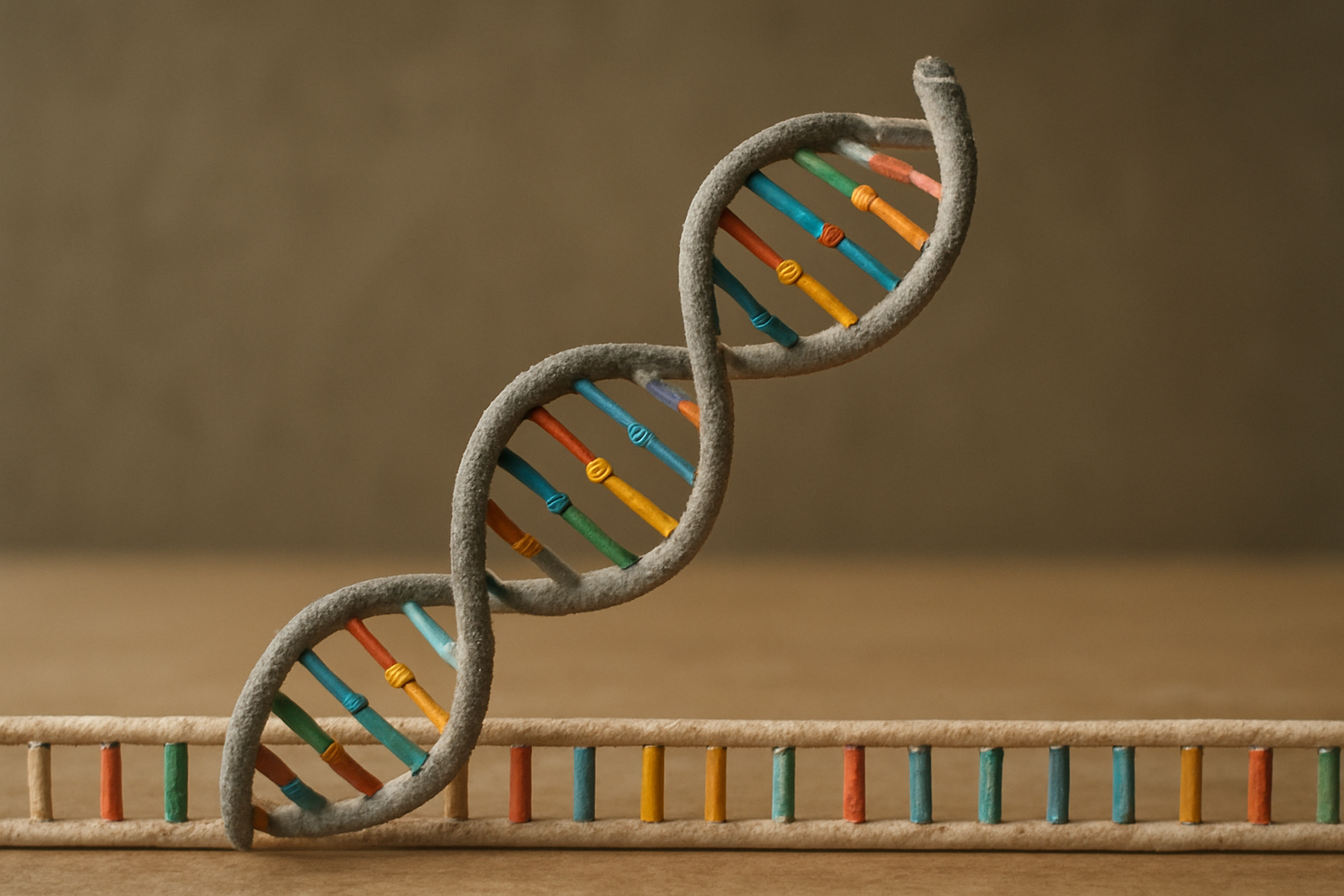
Your Genes Are Not Your Destiny: The Revolutionary Science of Epigenetics in 2026
Imagine two identical twins, born with the exact same DNA. By age 40, one develops a chronic autoimmune disease, while the other remains in vibrant health. For decades, this paradox challenged the deterministic view of genetics that framed our DNA as a fixed, unchangeable life sentence.
This rigid narrative fostered a sense of powerlessness, framing disease as inevitable and aging as pure decline. It ignored a fundamental biological truth.
Enter epigenetics—the revolutionary field that is rewriting the rules of biology. This science reveals that your lifestyle, environment, and even your thoughts can directly influence which genes are active or silent, all without altering your core DNA sequence. Think of it as the dynamic software running on the hardware of your genome.
In 2026, we are learning to debug and optimize that software like never before.
What Is Epigenetics? Redefining Inheritance
Simply put, epigenetics is the study of heritable changes in gene expression that do not involve changes to the underlying DNA sequence.
The Greek prefix "epi-" means "above" or "on top of." Epigenetics is the layer of instructions that tells your genome what to do, when, and where.
For years, the Central Dogma of Molecular Biology (DNA → RNA → protein) depicted a one-way street of information. Epigenetics reveals this process is a dynamic, two-way conversation between your genes and your life experiences.
The Molecular Switches: How Epigenetics Works
Your cells use three primary epigenetic mechanisms to control gene activity—the switches and dials of your genetic code.
- DNA Methylation: The "Off" Switch. Chemical tags called methyl groups attach directly to DNA, typically acting as a "do not disturb" sign to silence genes. Aberrant DNA methylation patterns are hallmarks of cancer and age-related diseases.
- Histone Modification: The Volume Control. DNA is wound around proteins called histones. Chemical modifications to these histones can loosen or tighten the spool, turning gene expression up or down in a process called chromatin remodeling.
- Non-Coding RNA: The Precision Guides. Molecules like microRNA do not code for protein. Instead, they fine-tune gene expression by targeting and degrading specific messenger RNA strands.
The most profound concept is Transgenerational Epigenetic Inheritance. Emerging research suggests epigenetic marks influenced by a parent's experiences—such as famine or extreme stress—can be passed down. It represents a biological memory of past environments, encoded not in DNA, but in its packaging.
Can You Change Your Gene Expression? The Evidence Says Yes
Your daily choices actively edit your epigenome. The evidence is compelling.
Lifestyle as an Epigenetic Editor
What you eat, how you move, and how you manage stress are direct commands to your genome.
- Diet: Compounds in foods like broccoli (sulforaphane), green tea (EGCG), and turmeric (curcumin) are potent epigenetic modulators. They influence DNA methylation and histone acetylation, turning on protective genes and silencing harmful ones—this is the science of nutrigenomics.
- Exercise: Physical activity rewires your gene expression. Studies show consistent exercise alters methylation patterns in genes related to metabolism and inflammation, making it a powerful environmental cue for a healthy epigenome.
- Stress Management: Chronic stress floods your system with cortisol, leading to widespread changes in DNA methylation, particularly in genes regulating immunity and brain function. This is a clear molecular link between psychology and biology.
The Validated Mind-Body Connection
Practices like mindfulness meditation and cognitive-behavioral therapy produce measurable epigenetic changes. They can downregulate inflammatory pathways and upregulate genes involved in telomere maintenance, a key marker of cellular aging. Your mental state is reflected in your cells.
Case Study: Proof from History
The Dutch Hunger Winter (1944-45) provides seminal evidence. Children conceived or born during this famine developed specific epigenetic marks on genes related to growth and metabolism. Decades later, they showed higher rates of obesity, diabetes, and heart disease. Their mothers' environment had permanently "programmed" their metabolic health through epigenetic changes.
The Double-Edged Sword: Epigenetics in Health and Disease
Epigenetics transforms our understanding of disease but is also prone to hype and misinterpretation.
When Regulation Fails: Disease
Faulty epigenetic regulation is a driver in major diseases.
- Cancer: Often termed an "epigenetic disease." Hypermethylation can silence tumor suppressor genes, while hypomethylation can activate oncogenes. Cancer epigenetics is leading to drugs that target these faulty switches.
- Neurological Disorders: Conditions like Alzheimer's and depression are linked to distinct epigenetic signatures in the brain. Stress-induced changes can have lasting effects on neuroplasticity.
- Autoimmunity: Epigenetic mechanisms influence T-cell differentiation and inflammatory cytokine expression, helping explain why the immune system sometimes attacks the body.
Navigating the Hype: A Dose of Reality
As a specialist, I see both immense promise and risk. Beware of supplements or "epigenetic diets" promising miraculous cures. We are in the early stages.
While you can influence your epigenome, you cannot precisely "program" it with a pill. The risk is a new epigenetic determinism, where individuals feel solely responsible for illness. Biology is more complex; genetics, random chance, and uncontrollable environmental factors all play significant roles.
The Future of Epigenetics: Editing Our Biological Software
The frontier is shifting from observation to precise intervention.
Precision Epigenetic Editing: Beyond CRISPR
The next wave is epigenome editing. Technologies like CRISPR-dCas9 are fused with epigenetic modifiers, allowing scientists to reversibly turn specific genes on or off by adding or removing chemical tags—without making permanent cuts to DNA. This offers a subtler, potentially safer therapeutic tool.
Quantifying Biological Age
Epigenetic clocks, like the Horvath clock, analyze genome-wide methylation patterns to predict your biological age—how old your cells function compared to your chronological age. These biomarkers of aging are becoming gold standards in longevity research, quantifying the impact of interventions from diet to pharmaceuticals.
The Promise of Personalized Epigenetic Medicine
The goal is healthcare tailored to your unique epigenetic profile. Instead of a one-size-fits-all approach, your doctor could use your epigenome to predict disease risk, select the most effective drug (pharmacoepigenetics), and design a personalized lifestyle plan. This is proactive, preventive medicine.
Conclusion: Embracing Your Agency in Health
Ultimately, epigenetics provides our most powerful framework for understanding health. It describes the dynamic interplay between your fixed genome and your lived experience.
The future is about evolving from a passive patient to an active participant. While you cannot change your DNA sequence, you wield significant daily influence over your gene expression through your diet, activity, stress management, and mindset.
Your genes are not your destiny. They are your predisposition. Your epigenome is the story you write on top of it.
FAQ: Your Epigenetics Questions Answered
Can meditation or positive thinking actually change my gene expression?
Growing evidence suggests yes. Practices like mindfulness-based stress reduction (MBSR) show measurable decreases in pro-inflammatory gene expression and increases in activity related to telomerase, an enzyme that protects chromosome ends. It's biochemistry: chronic stress creates a chemical environment that flips genetic switches toward inflammation and aging; meditation helps change that environment.
For a deep dive into how daily habits impact long-term cellular health, explore our guide: The Silent Thief: How Muscle Loss Steals Your Health.
Are epigenetic changes permanent, or can they be reversed?
A key insight is that many epigenetic changes are reversible. This is the premise of epigenetic therapy. While some marks established during early development are stable, others are dynamic. Lifestyle improvements, specific pharmaceuticals (like HDAC inhibitors or DNMT inhibitors), and environmental changes can help "reset" certain patterns. Your epigenome remains adaptable throughout life.
If my parent experienced trauma, am I epigenetically predisposed to its effects?
The science of transgenerational epigenetic inheritance is complex and more established in animal studies. In humans, evidence from descendants of Holocaust survivors or famine victims suggests biological echoes can be observed in the next generation's epigenetic markers. Crucially, this should be understood as a predisposition or increased sensitivity, not fate. It underscores the importance of awareness and proactive health management.
What are the biggest technical barriers to personalized epigenetic medicine in 2026?
The primary hurdles are cost and complexity. While whole-genome sequencing is affordable, comprehensive epigenome mapping remains expensive and is not routine. The data is also immensely complex—varying by cell type and over time—requiring advanced computational tools (AI, machine learning) and standardized clinical benchmarks before integration into standard care.
What are the cybersecurity and privacy risks with epigenetic data?
This is a critical, under-discussed issue. Your epigenetic data is a profound biometric, revealing intimate details about disease risk, biological age, and drug responses. A breach could enable genetic discrimination by employers or insurers. Mitigation requires strong regulation (like robust extensions of GDPR and CCPA), encrypted data storage, and ensuring individuals retain true ownership and control over their information. Always inquire about data ownership with any direct-to-consumer epigenetic test.